“SERVING YOUR PLATING NEEDS IN THE BEST WAY POSSIBLE”
CAGE CODE: 97F93
(973) 746-1200Zinc
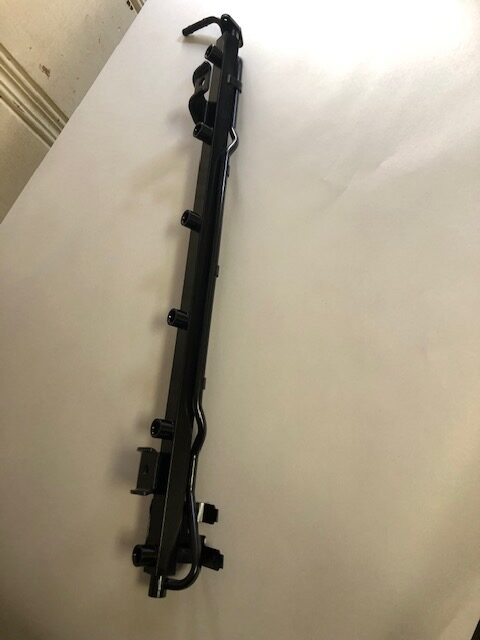
Black Zinc
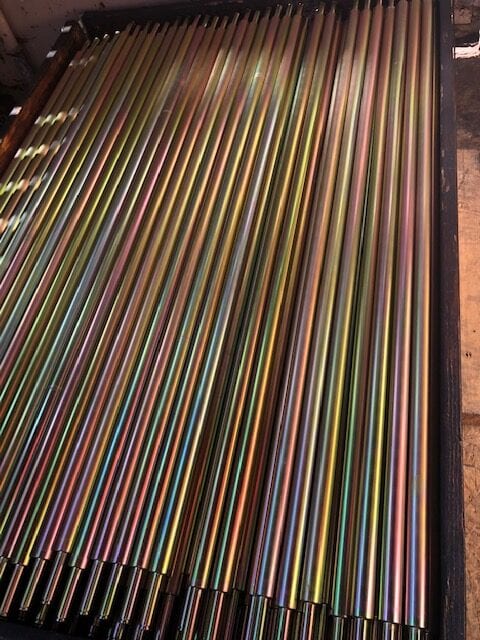
Yellow Zinc
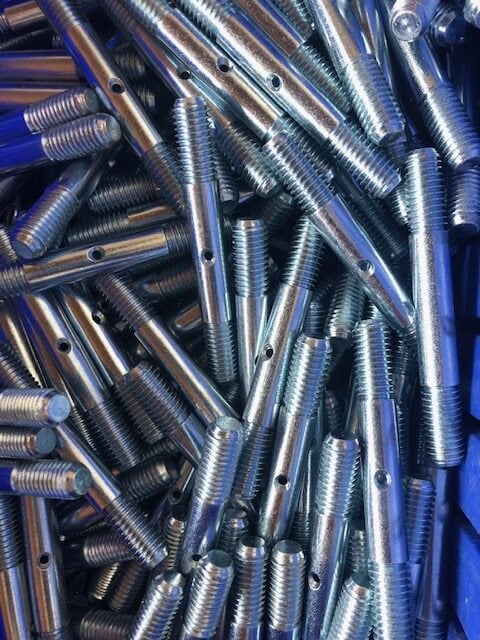
Clear Zinc
This process is used in the vast majority of manufacturing where a low-cost corrosion resistant, decorative type finish is required. Parts range from nuts and bolts, metal stampings and computer components to machine parts used in military equipment. Zinc plating is capable of encompassing parts as small as nuts and bolts.
Zinc plating is frequently used to protect metals such as iron and steel against the relentless forces of corrosion. Zinc plating involves the electrodeposition of a thin coating of zinc metal onto the surface of another metal object, known as a substrate. The zinc coating creates a physical barrier that prevents rust from reaching the underlying metal surface. Zinc is chosen because of its innate ability to fight corrosion. In fact, zinc is often referred to as the corrosion-prevention workhorse. While the use of zinc compounds began more than 2,500 years ago, the production of metallic zinc first occurred in India around the 15th century. Today, nearly one-third of all zinc metal is used for galvanization, which is the coating of a metal surface to protect against rust. Zinc plating is the most commonly used method of galvanization.
Plating With Zinc: A Bio-Friendly Alternative
Plating with zinc is a relatively recent process, and it did not gain widespread use until approximately 1970. Prior to that time, cadmium was the preferred metal for electroplating in applications where maximum protection against corrosion was required. However, cadmium is a highly toxic substance that can have a cumulative poisoning effect over an extended period of time.
While zinc cannot quite match cadmium in terms of its anti-corrosion capabilities, it is viewed as a more bio-friendly alternative. These days, the use of cadmium plating is generally restricted to applications where plating with zinc won’t provide sufficient corrosion protection or additional levels of protection are required. However, the use of cadmium in plating operations must comply with current environmental regulations.
The Step-by-Step Zinc Plating Process
Zinc plating is a relatively complex process that requires a high level of expertise. Specialized equipment and machinery is also required, including a rectifier, plating station and in the case of alkaline zinc an ancillary tank for proper dissolution of the zinc anode and a reservoir. Here’s an overview of how a typical zinc plating process works:
- Preparing and cleaning the surface – It’s essential to thoroughly clean the surface of the substrate prior to plating. Any debris or contaminants remaining on the surface will prevent proper adhesion of the zinc coating. An alkaline detergent solution is typically used for surface cleaning, which is followed by the application of an acid treatment to remove surface oxidation. This latter procedure is referred to as activation
- Preparing the plating solution – Zinc plating requires the immersion of the substrate into a specially formulated electrolyte solution, which is referred to as the plating bath. The bath consists of the zinc metal ionic solution and various chemicals that facilitate plating processes. They also help produce the desired chemical and physical properties of the finished product. Specific types of zinc electrolyte solutions include:
- Acid zinc – This is a widely used plating technology known for its high efficiency, fast deposition and superior covering power. However, acid zinc also provides poor throwing power and thickness distribution.
- Alkaline zinc – This offers less plating efficiency than acid zinc and a slower electrodeposition rate, but it provides better thickness distribution and ductility
- Choosing the appropriate zinc plating procedure – After solution preparation, the parts are ready for plating. The chosen method could involve rack plating, where larger parts are affixed to metal racks which are placed inside the tank containing the plating bath. The parts remain stationary during plating. Barrel plating is normally used for smaller parts – instead of a plating tank, the parts are placed inside a barrel and rotated, which provides a more uniform finish.
- Introducing the electrical current – Electroplating is also known as electrodeposition because an electrical current is used to deposit metal ions onto the surface of the substrate. In the case of zinc plating, the substrate serves as the cathode. A DC current originating at the anode is introduced into the bath and flows to the substrate. The zinc ions are then deposited onto the surface. The current flows from the cathode back to the anode to complete the circuit.
- Post-treatment procedure – Upon completion of the electrodeposition process, the parts are ready for post-treatment. This normally involves rinsing the parts in water to remove any remaining contaminants and plating bath remnants. In cases of heavy contamination, the parts may need to be rinsed several times. The final step is to thoroughly dry the zinc-plated parts. In situations where additional corrosion protection is required, the application of passivates and sealers can be included in the post-treatment process.
Zinc Plating Applications
Plating with zinc has many industrial applications. Zinc can provide a corrosion-resistant coating on smaller metal parts such as nuts, bolts, screws and fasteners. In general, most hardware parts are coated with zinc. Zinc plating has also gained widespread use in the automotive industry as a means of protecting parts such as brake lines, brake calipers and power steering components.
Additionally, zinc plating is used in the production of tanks, armored personnel carriers and other heavy military vehicles. Zinc plating can also serve as a protective undercoating prior to painting, as it can promote greater paint adhesion.
Other Benefits of Zinc Plating
Zinc coating offers more than excellent protection against corrosion. Other key reasons to choose zinc plating include:
- Low cost – Because zinc can be found in abundance, it is viewed as a more cost-effective plating process than when using precious metals such as gold or palladium. This makes zinc plating a preferred choice for any company that is keeping a close eye on expenditures.
- Increased strength – Although zinc is a relatively lightweight metal, a zinc coating can increase the strength of the substrate.
- Low-stress deposit – Applying a zinc coating will not place an undue amount of stress on a metal part or component.
- Flexibility – Zinc is compatible for use in a wide range of bath chemistries, providing greater flexibility for customizing the plating outcome. Zinc is also amenable to both rack and barrel plating processes.
- Ductility – Zinc is an extremely ductile metal, meaning it can be stretched into long, thin strands without breaking. This makes zinc easy to contour to the shape of the underlying substrate.
- High-temperature tolerance – Zinc is capable of tolerating temperatures of up to 120° F, which can help lower cooling costs.
- Control of hydrogen embrittlement – Zinc coatings are less susceptible to the development of hydrogen embrittlement, a condition where metal becomes brittle due to the diffusion of hydrogen in the surface. However, appropriate hydrogen embrittlement relief procedures should be implemented with plating of high-strength metal fasteners.
- Friendly to the environment – Zinc plating is considered to be a relatively eco-friendly process, especially when compared to its cadmium counterpart. Zinc also offers the advantage of recyclability.
- Aesthetic appeal – Zinc plating can improve the appearance of an iron or steel part or component. The introduction of colors during post-treatment can also help you customize the look of the finished product.