“SERVING YOUR PLATING NEEDS IN THE BEST WAY POSSIBLE”
CAGE CODE: 97F93
(973) 746-1200Silver Plating
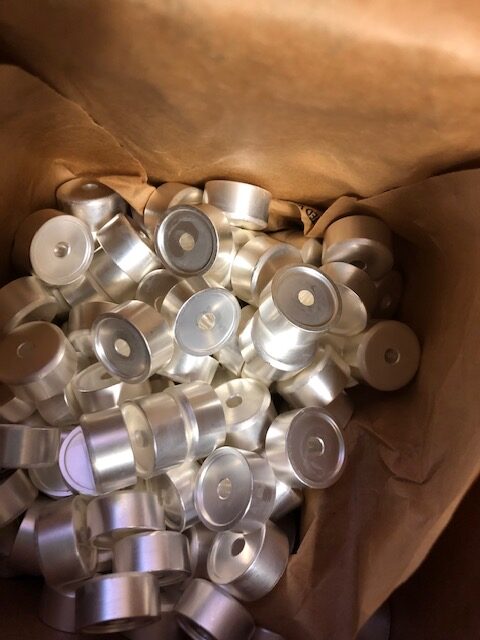
Silver
This process is used primarily in electronic applications where good conductivity, bonding and solderability is required. It is used on small brass and copper contacts as well as fabricated aluminum housings for the electronics industry. It is also utilized for larger copper contacts and bus bars for electrical switches.
Silver plating is a process in which other base metals are coated with a layer of silver. The process sounds simple, but it still needs to ensure that the base metal has an even layer of silver to gain that widely known and craved matte-white look. When the process is performed over nickel, the result is usually called electroplated nickel silver.
Besides nickel silver, the process is commonly used on copper, steel, titanium, graphite, ceramic, plastic, and aluminum.
The Benefits of Silver Plating
Silver plating provides several benefits. Due to the strength of silver, this type of coating offers excellent corrosion resistance to the base material and the product as a whole. Furthermore, silver plating provides great solderability for small parts like kitchen utensils, but it also offers little electrical resistance making it perfect for all products that require an excellent finish and conductivity. A silver finish is also good for the lubricity of the product. Unfortunately, products with a silver finish can still tarnish, but due to the reasonably low price, silver plating is a cheaper alternative to gold plating, which offers similar results.
All in all, silver coating is thus used for products that require:
- Conductivity
- Corrosion resistance
- Wear resistance
- Durability
- Solderability
Depending on the type of usage of the coated material, the silver coating has a different level of thickness. The Federal standard in the silver coating is QQ-S-365D, which covers electrolytic silver plating over various types of metals. The finish can be either bright, semi-bright, or matte. The brightness of the finish can still depend on the original surface finish of the base material so you might not get the same finish on different products that use diverse materials.
The Uses of Silver Plating
Generally, silver has the most applications across industries when compared to all other plated metals. That makes the process of silver plating indispensable. All of this mostly stems from the fact that silver is the cheapest of all precious metals. When compared to palladium and gold, silver is extremely affordable.
Silver plating is commonly used in several industries and for various popular products:
- Electronics – bearings, semiconductors, connectors
- Power generators – like battery and solar
- Different musical instruments
Electroplated nickel silver, which we already explained, is commonly used to make the finish of spoons, forks, knife handles, and other cutlery.
All in all, silver plating is a popular and widely used form of quality plating across industries. The high conductivity, great solderability, and corrosion resistance make it very useful, especially when its price and comparability to gold are taken into account.